




Advertisement
Advertisement
In a revolutionary scientific advancement, mice created from two male biological parents have successfully produced their own healthy offspring. This development prompts discussions on the potential application of this method to humans in the future.
This fertility innovation was initially reported in 2023, when researchers at Kyushu University in Japan managed to derive eggs from the skin cells of male mice.
Scientists generated stem cells from eight-week-old male mice and altered the genetic codes of these cells to produce a mature egg.
After successful cultivation, these eggs were fertilized and implanted into a surrogate female mouse, leading to the birth of seven mouse pups.
Advert
Katsuhiko Hayashi, who spearheaded the research and is acclaimed globally as a trailblazer in lab-grown eggs and sperm, described this as 'the first case of making robust mammal oocytes from male cells', according to The Guardian.
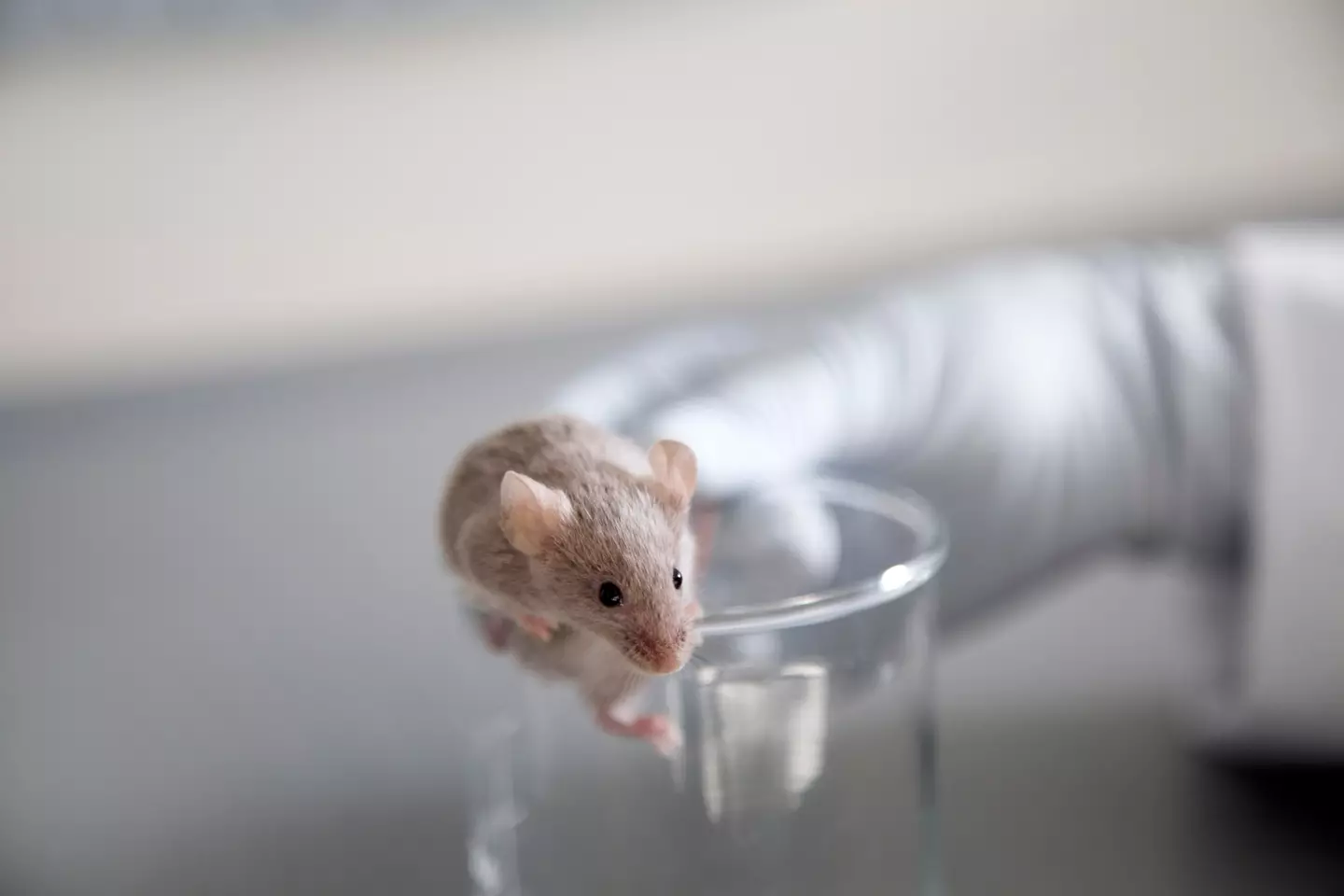
In March 2023, Hayashi shared these findings at the Third International Summit on Human Genome Editing at the Francis Crick Institute in London, expressing optimism about successfully replicating the process with human cells within a decade.
"I don’t know whether they’ll be available for reproduction,” he said, as reported by Pink News. "In terms of technology, it could be possible [in humans]… in 10 years."
Advert
Recently, a team at China’s Shanghai Jiao Tong University has also succeeded in creating mice from biological fathers, resulting in the birth of healthy, fertile mice.
Research published on June 23 in the scientific journal PNAS, documented that two out of 259 embryos created from two sperm cells survived and matured into adulthood.
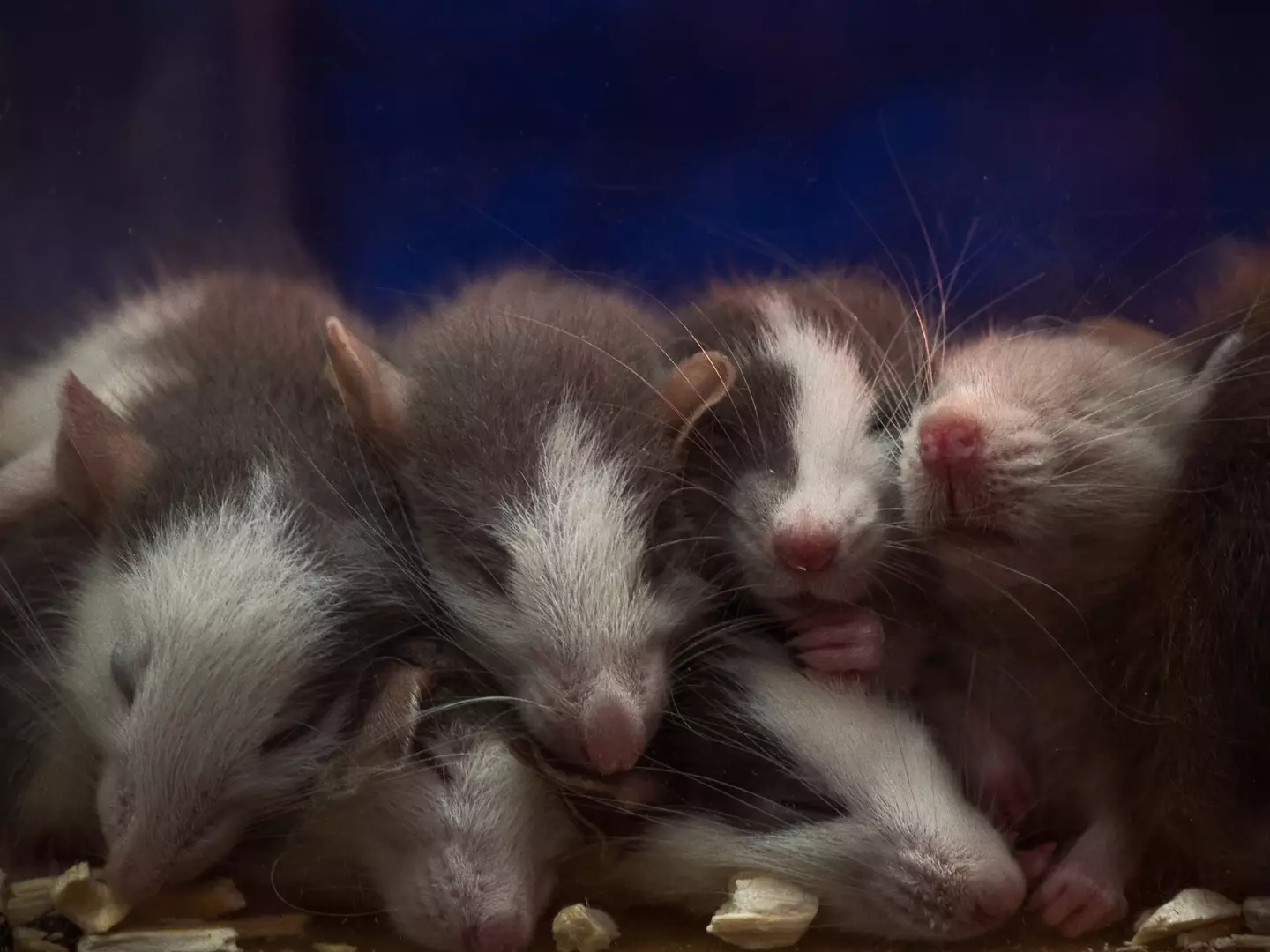
These bi-paternal mice, both male, mated with female mice and produced healthy offspring.
Advert
The researchers stated: "In this study, we report the generation of fertile androgenetic mice. Our findings, along with previous accomplishments in uni-parental reproduction in mammals, indicate that genomic imprinting is the primary obstacle to the full-term development of uni-parental mammalian embryos."
Could Hayashi's mice method actually be used on humans?
While this scientific breakthrough suggests a possible new method for biological conception in same-sex couples, some experts are skeptical about achieving this within the timeframe Hayashi proposed in 2023.
Professor George Daley, a dean at Harvard Medical School, highlighted research indicating that creating lab-grown gametes from human cells is more complex than with mice.
Advert
He told The Guardian: "We still don’t understand enough of the unique biology of human gametogenesis to replicate Hayashi’s provocative work in mice."
Professor Amander Clark from the University of California Los Angeles noted that adapting this work to human cells would be a 'significant leap' as scientists have yet to produce lab-grown human eggs from female cells.
"We’re currently at a bottleneck," she said. "The next steps are an engineering challenge. But overcoming it could take 10 or even 20 years."
'Grotesque': PETA speaks out on Hayashi's mice experiment
In addition to expert skepticism regarding human trials, animal rights organization People for the Ethical Treatment of Animals (PETA) criticized the research as 'grotesque'.
Advert
Jeffrey Brown, PETA’s science advisor, told Pink News: "This isn’t groundbreaking, it’s grotesque. True progress lies in cutting-edge, human-relevant, non-animal methods."

Advertisement
Advertisement
Advertisement


